


 +994 50 667 81 18


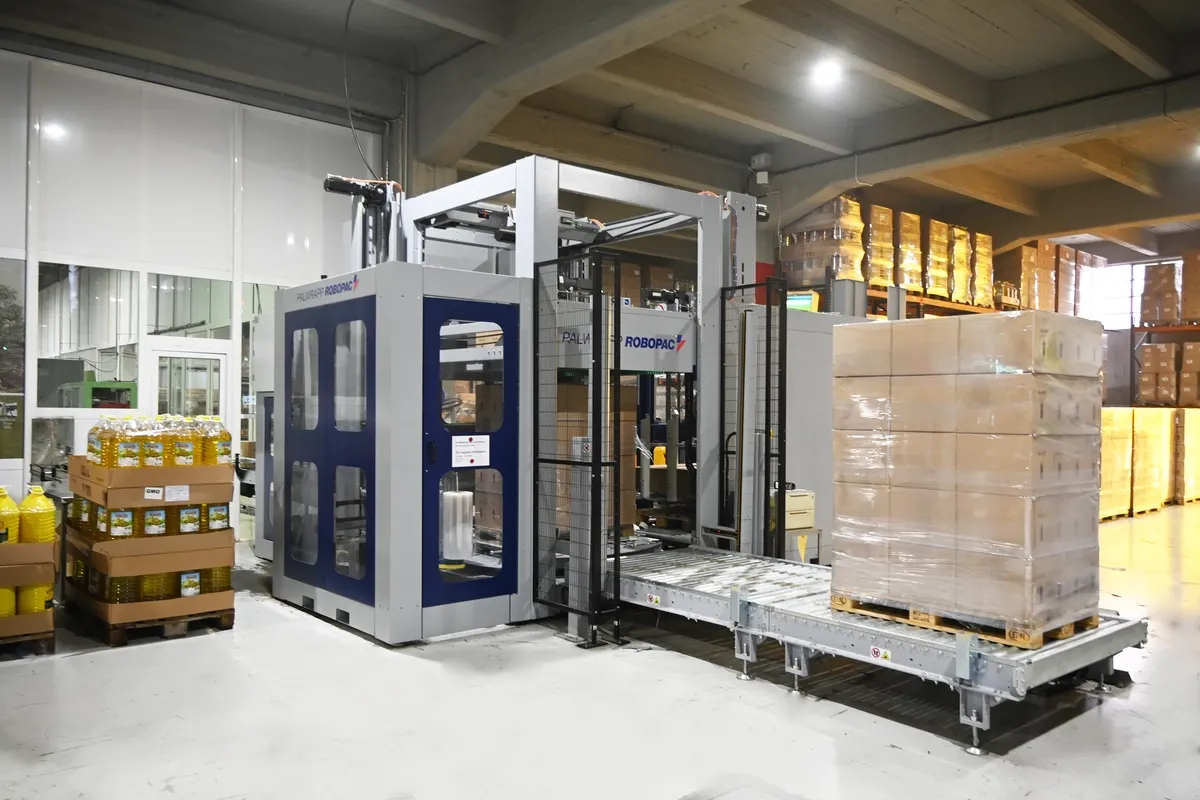
Filling may seem like a straightforward stage of manufacturing: a product is transferred into a container, sealed and prepared for packaging. In practice, however, the process involves several technical considerations that directly affect production efficiency, product quality and operating costs.
For manufacturers of edible oils, motor oils, household chemicals and other liquid products, choosing the right filling line is particularly important. Equipment that does not match the product or production requirements can lead to inconsistent filling, unnecessary product loss, frequent interruptions and higher operating expenses.
A filling line should therefore be selected based on more than its advertised speed or purchase price. The characteristics of the product, packaging format and the wider production process all need to be considered.
1. Start with the Product You Need to Fill
The first step in selecting filling equipment is understanding the product itself. Different liquids behave differently, and a filling mechanism that works well for one product may not be suitable for another.
For example, water flows easily, while vegetable oil has different viscosity characteristics. Motor oils and certain household chemical products may be considerably thicker and require a different approach.
Key product characteristics to evaluate include:
- Viscosity and flow behaviour;
- Chemical composition and material compatibility;
- Foaming and dripping tendencies;
- Product temperature;
- Required filling accuracy.
High-viscosity products may require suitable pumps and dosing mechanisms. Products that tend to foam may need specially designed filling nozzles and carefully controlled filling speeds.
Understanding these properties before choosing machinery helps avoid operational problems later.
2. Choose the Appropriate Filling Technology
Different filling technologies are designed to handle different product and production requirements. Three commonly used approaches are volumetric, net weight and flow meter-based filling.
Volumetric Filling
This method dispenses a predetermined volume of product into each container. It is widely used for liquid products and can be suitable for various packaging applications, depending on the product and equipment configuration.
Net Weight Filling
With this method, the product is dispensed until the required weight is reached. It is particularly useful in applications where weight is the primary measurement requirement.
Flow Meter Filling
Flow meter-based systems monitor the quantity of liquid passing through a measuring device and stop dispensing when the target volume is reached. Selecting a suitable flow meter is essential for achieving reliable results.
There is no universally best filling technology. The right choice depends on the liquid, container, production requirements and the level of accuracy needed.
3. Calculate the Required Production Capacity
Production capacity is one of the most important factors when comparing filling lines. However, relying solely on the maximum speed stated in a machine's specifications can be misleading.
Consider a manufacturer aiming to fill 1,000 containers per hour. The selected equipment must be capable of achieving this output under actual operating conditions, not just under ideal test conditions.
Several factors influence filling line capacity:
- Number of filling cycles per minute;
- Number of filling heads;
- Container size and shape;
- Product viscosity;
- Speed of container feeding and discharge;
- Performance of downstream processes such as capping and labelling.
It is also important to look at the production line as a complete system. A filling machine may operate at high speed, but if the capping machine or conveyor cannot keep up, the overall output will be limited by that slower stage.
Matching the capacity of connected equipment is therefore essential.
4. Consider Your Packaging Formats
Manufacturers often need to package the same product in different container sizes. Vegetable oil, for instance, may be sold in 1-litre, 3-litre and 5-litre bottles, while motor oils may require several different container formats.
Before selecting a filling line, consider the following:
- What container volumes will be used?
- What are their dimensions and shapes?
- Can the equipment handle different bottle formats?
- How long does it take to switch between formats?
- Are additional change parts required?
For manufacturers working with multiple packaging formats, adjustable equipment can provide greater flexibility and make production planning easier.
The ability to change formats efficiently becomes especially important when product ranges expand.
5. Filling Accuracy and Product Waste
Small filling variations can have a significant financial impact over time, particularly in facilities handling large production volumes.
Overfilling means giving away more product than intended, while underfilling can create quality and compliance concerns. Both situations can affect production efficiency.
Filling accuracy depends on several factors, including:
- The quality of the measuring system;
- Pump and dosing mechanism performance;
- Product temperature and viscosity;
- Proper machine calibration;
- Consistency of the filling process.
When comparing equipment, it is worth looking beyond the accuracy figures listed in technical specifications. Testing the machine with the actual product can provide a much clearer picture of its performance.
6. Automation and Integration with the Production Line
A filling machine rarely operates in isolation. In many manufacturing facilities, it is part of a connected production and packaging system.
Depending on the application, a filling line may include:
- Automatic container feeding;
- Filling equipment;
- Capping machines;
- Labelling systems;
- Date and batch coding;
- Carton packing and group packaging equipment;
- Conveyors and product transfer systems.
When these stages are properly integrated, products can move through the production process with fewer manual interventions.
The required level of automation should reflect the facility's current production capacity, available space, workforce and future expansion plans.
For some businesses, a semi-automatic solution may be sufficient. Others may benefit from a fully integrated production line. The important thing is to choose a configuration that makes operational and financial sense.
7. Maintenance, Spare Parts and Technical Support
Purchasing the equipment is only the beginning of its working life. Long-term performance also depends on maintenance, spare parts availability and access to technical support.
Before making a decision, it is useful to establish:
- How readily available are spare parts?
- How easy is the equipment to clean and maintain?
- Is technical assistance available when problems occur?
- Is operator training provided?
- Can the line be expanded or upgraded in the future?
These considerations may not be as visible as the initial purchase price, but they can have a considerable effect on the total cost of ownership.
Final Thoughts
Choosing an industrial filling line requires a clear understanding of both the product and the production process. Viscosity, filling technology, container formats, production capacity, accuracy and equipment integration all play an important role.
A well-matched filling system can help manufacturers maintain consistent output, reduce unnecessary product losses and build a production process that is ready for future growth.
Azromex can support manufacturers in exploring filling and packaging equipment solutions that match their operational requirements. Contact our team to discuss your production needs and identify a suitable equipment configuration.
Request a Consultation
Our specialists will get back to you as soon as possible to suggest the most suitable automation and packaging solutions for your project.